

The federal government opened its Assault-Style Firearms Compensation Program to all individual owners on Jan. 17, 2026. Owners of firearms prohibited since 2020 can declare them online or by mail between Jan. 19 and March 31 to qualify for compensation when the guns are collected and destroyed.
A declaration window, then collection
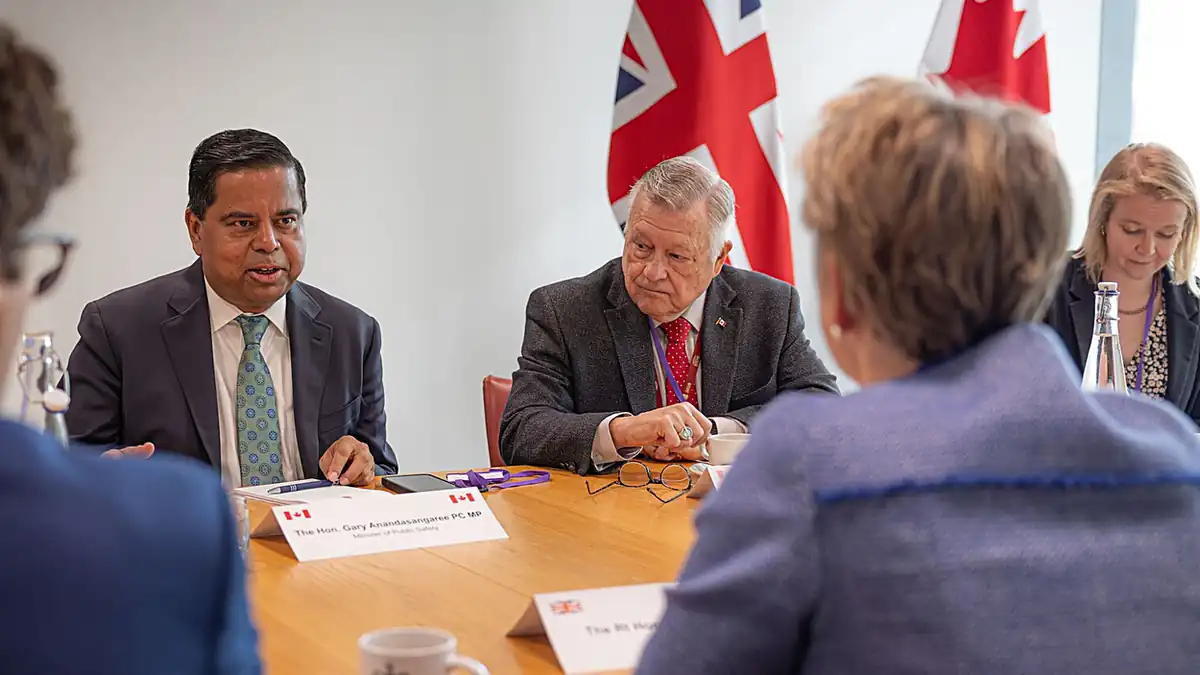
Public Safety Minister Gary Anandasangaree launched the program in Montréal alongside Nathalie Provost, the secretary of state for nature, and Ian Lafrenière, Quebec’s public security minister. All valid Possession and Acquisition Licence holders were to be notified on Jan. 19, when the declaration period opened.
Owners have until March 31, 2026, to file a declaration through the program’s online portal or by mail. The government is urging people to declare early, because declarations are processed mainly on a first-come, first-served basis, tied to the availability of funds. Ottawa set aside roughly $248.6 million for the individual program, expecting about 136,000 firearms.
After the declaration window closes, participants book an appointment to hand in their firearms to the RCMP, their local police service or a mobile collection unit. The guns are validated and destroyed before compensation is paid. A pilot collection held earlier in Cape Breton, N.S., informed the national rollout, and a separate business stream collected and destroyed more than 12,000 firearms between November 2024 and April 2025.
“Assault-style firearms do not belong in our communities,” Anandasangaree said. “We also want to make sure that people who own these firearms get fair compensation.”
Voluntary to join, mandatory to comply
Participation is voluntary, but the government stresses that compliance with the law is not. Anyone who does not take part must still dispose of, or permanently deactivate, their prohibited firearms before the federal amnesty ends on Oct. 30, 2026. Keeping a prohibited firearm after that date risks the loss of a firearms licence and criminal charges.
Canada has banned more than 2,500 makes and models of assault-style firearms since May 2020, a prohibition Ottawa links to the recommendations of the Mass Casualty Commission, which investigated the 2020 Nova Scotia mass shooting. More than 19,000 non-restricted makes and models remain legal for hunting and sport shooting.
Provincial co-operation has been uneven. Quebec signed a funding agreement on Jan. 7 worth up to $12.4 million to help its police services co-ordinate collections, and Quebec ministers shared the launch stage in Montréal. The Canadian Association of Chiefs of Police, in a Jan. 26 position statement, welcomed the program but cautioned that police services remain focused on illegal importation, trafficking and smuggling, and that mobile collection units were planned to reduce the burden on local forces.
Uptake fell short of Ottawa’s estimate
The declaration numbers that followed suggest many owners stayed away. When the window closed on March 31, Public Safety Canada reported just over 67,000 firearms declared by 37,869 owners — about half the roughly 136,000 firearms the program’s budget assumed. British Columbia recorded the most declarations at 15,600, followed by Ontario and Quebec, while several provinces that had publicly opposed the program still saw thousands of owners come forward.
Owners who declared in time are now moving through validation and collection appointments, which the government says will continue through the fall of 2026, ahead of the October amnesty deadline.

