

Canada has approved permanent residency for the father and brother of Dhanushka Wickramasinghe, the Ottawa man whose wife and four children were murdered in March 2024. The family’s lawyer confirmed on Jan. 19, 2026, that both applications were approved earlier this month and the men are awaiting their permanent resident cards.
Two years of waiting after an unthinkable loss
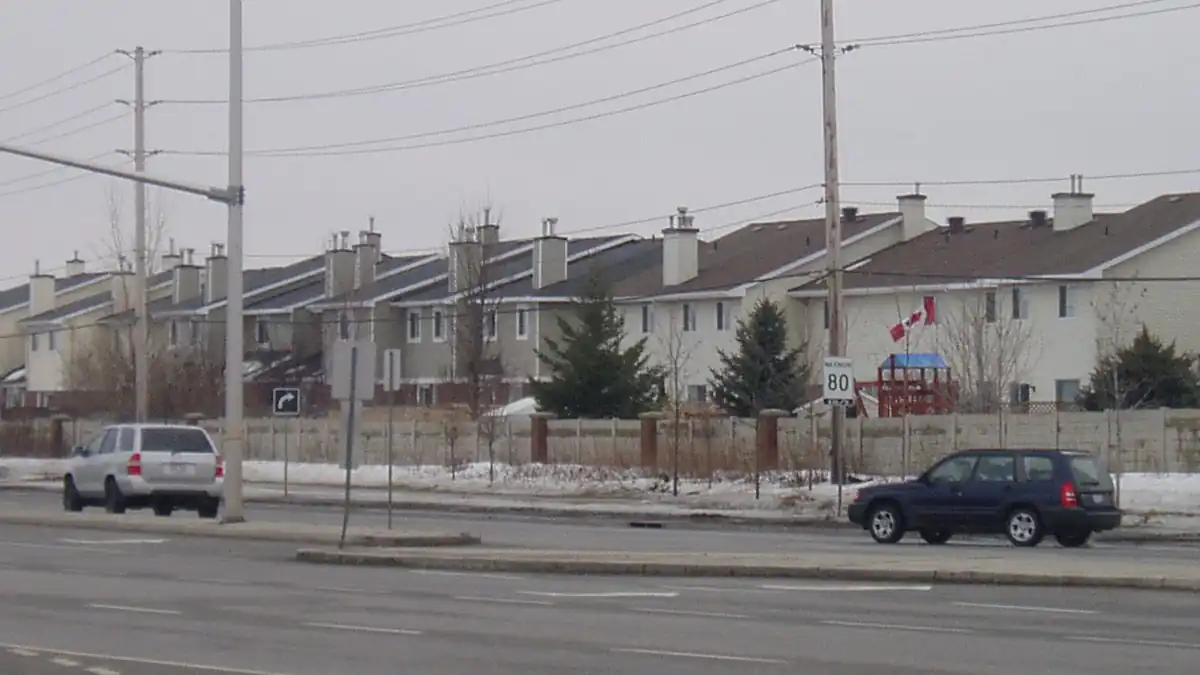
On March 6, 2024, Darshani Ekanayake, 35, her seven-year-old son Inuka and her daughters Ashwini, 4, Ranaya, 3, and Kelly, two months, were killed in their townhouse in Ottawa’s Barrhaven neighbourhood. Gamini Amarakoon, 40, a family friend and tenant, was also killed. Dhanushka Wickramasinghe was injured in the attack and survived.
Febrio De-Zoysa, who had been living with the family, pleaded guilty and was sentenced in November 2025 to life in prison with no chance of parole for 25 years, on four counts of first-degree murder, two counts of second-degree murder and one count of attempted murder.
Wickramasinghe’s father and his brother Chelaka travelled from Sri Lanka after the killings to support him. They applied for permanent residency last year and then heard nothing for months, eventually asking the federal government publicly for help. Their own wait mirrored Dhanushka’s: his application on humanitarian and compassionate grounds had been approved in principle nearly a year before he received any further word.
Immigration lawyer Ronalee Carey, who represents the family, said Monday that both the father’s and the brother’s applications were approved earlier in January. “They are now just waiting for their cards to arrive,” she said. While the applications were in limbo last fall, Chelaka had also been seeking an extension of his temporary resident permit so he could continue working in Canada, and the family had publicly appealed to the department for any word at all on files that had gone quiet for months.
Reunification is not finished
Status in Canada solves only part of the family’s separation. Chelaka Wickramasinghe now plans to sponsor his wife and daughter to join him — but they were previously refused visitor visas that would have let them travel to Canada in the meantime, and Carey puts the sponsorship processing time at about 14 months.
“Obviously, this is not ideal as the family has been separated for so long already,” Carey said. She had asked the immigration minister to reconsider the visitor-visa refusals but received no response, and she is assembling the documents to try again. One option, she noted, would be for the department to issue a temporary resident permit alongside an expedited work permit for Chelaka’s wife once she is in Canada — a step the department could choose to take but has not.
A case that tested the compassionate stream
The Wickramasinghe family’s path ran through the part of Canada’s immigration system designed for exceptional hardship: humanitarian and compassionate consideration. Approvals on those grounds are discretionary, and applicants routinely wait in silence for a year or more — tolerable in ordinary cases, agonizing for a family supporting the lone survivor of a mass killing.
The approvals close the longest chapter of that wait. What remains is the slower, ordinary machinery of family sponsorship, and a wife and daughter still on the other side of it.

