

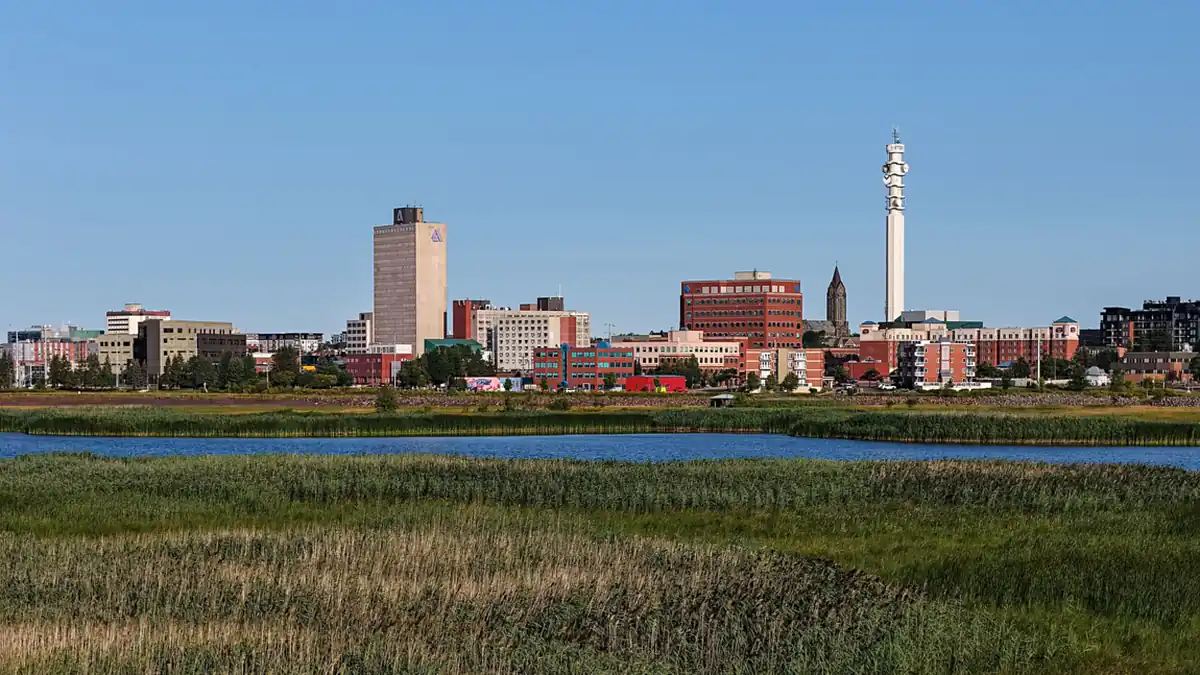
Canada exceeded its Francophone immigration target for the fourth consecutive year in 2025, Immigration Minister Lena Metlege Diab announced in Moncton on Jan. 19, 2026. French-speaking permanent residents made up about 8.9 per cent of admissions outside Quebec, and Ottawa will reserve 5,000 new selection spaces for provinces starting in 2026.
8.9 per cent, against a target of 8.5
Ottawa set a target of 8.5 per cent for 2025 and, according to preliminary year-end data, admitted more than 29,500 French-speaking permanent residents outside Quebec — about 8.9 per cent of all admissions outside the province. It was the fourth straight year the government beat its own benchmark for restoring the demographic weight of Francophone and Acadian minority communities.
The trajectory has been steep. Canada reached 7.2 per cent in 2024 against a 6 per cent target, after 4.7 per cent in 2023. Under the 2026–2028 Immigration Levels Plan, the targets rise to 9 per cent in 2026, 9.5 per cent in 2027 and 10.5 per cent in 2028, on the way to a goal of 12 per cent by 2029.
“Today, we reaffirm our commitment and ongoing efforts towards Francophone immigration,” Diab said. “French-speaking newcomers are an essential contribution to the economic vitality and strengthening of the workforce in Francophone and Acadian minority communities.”
5,000 new spaces for the provinces
The new measure announced in Moncton gives provinces and territories a bigger role. Starting in 2026, the federal government will reserve 5,000 federal selection spaces that provinces and territories can use to designate French-speaking immigrants, over and above their regular Provincial Nominee Program allocations.
The scale is significant: the reserved pool alone is larger than the entire 2024 nominee-program intake of French-speaking newcomers outside Quebec, which produced 3,640 admissions. Ottawa says the spaces are meant to ease shortages of Francophone and bilingual workers and attract global talent to minority communities.
The announcement, made in Canada’s only officially bilingual city, was aimed squarely at communities where French is a minority language. Programs credited with the recent gains include a French-language proficiency category in the Express Entry system, the Francophone Mobility program for workers, and the Welcoming Francophone Communities initiative, which grew from 14 to 24 participating communities over the past year.
Why Ottawa keeps raising the target
Successive governments have committed to reversing the long decline in the demographic weight of French-speaking communities outside Quebec, a trend documented in census after census. Immigration is the fastest lever available: francophone newcomers also fill bilingual jobs in health care, education and public services that are chronically hard to staff in places such as northern Ontario, Manitoba and Atlantic Canada.
The machinery behind the numbers is largely federal. Express Entry has run category-based draws for candidates with strong French proficiency since 2023, giving them a dedicated route to selection, while the Francophone Mobility program makes it easier for employers outside Quebec to hire French-speaking temporary workers, who often later transition to permanent residence. The Welcoming Francophone Communities initiative funds local settlement support so newcomers stay in the smaller communities that recruit them, rather than drifting to big cities.
Whether the rising targets can be met again in 2026 will depend heavily on the provinces, which now control, through the reserved spaces, a much larger share of who gets selected.

