

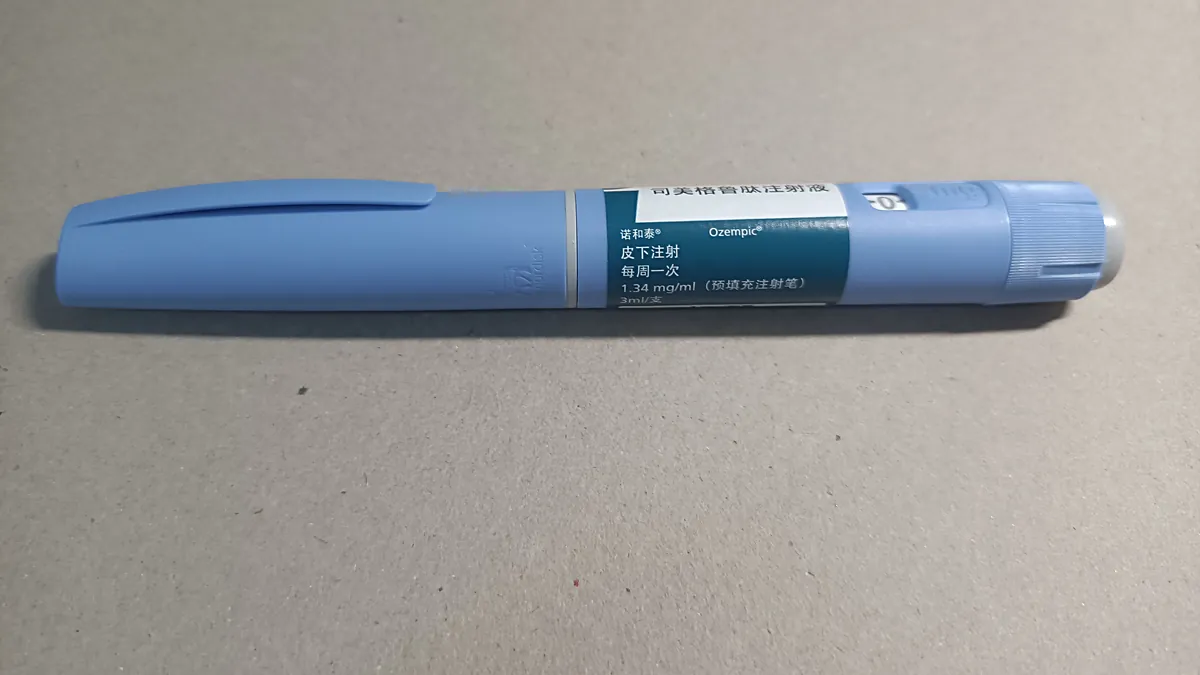
Drug makers may legally produce generic versions of Ozempic in Canada starting the week of Jan. 5, after Novo Nordisk’s exclusivity ends Jan. 4, but experts say Health Canada approvals are unlikely before late spring, so patients should not expect cheaper semaglutide on pharmacy shelves for months.
Nine companies are already in line
As of Dec. 29, Health Canada had received nine submissions seeking approval to make semaglutide, the active ingredient in Ozempic and Wegovy, Novo Nordisk’s brand-name diabetes and weight-loss drugs. Sandoz Canada, Apotex, Teva Canada, Taro Pharmaceuticals and Aspen Pharmacare Canada are the named applicants; the remaining companies were not identified because their submissions arrived before an April 2024 policy change requiring a sponsor’s name.
“Health Canada understands that there is considerable interest in lowering costs associated with this highly prescribed drug by introducing generic versions,” spokesperson Mark Johnson said in an email.
The department’s target timeline for reviewing a generic drug submission is 180 days, not counting any extra time if regulators ask the company for more information.
Why the wait will be longer than patients hope
Mina Tadrous, a pharmaceutical policy expert at the University of Toronto, said a generic semaglutide is unlikely to be approved until late spring or early summer. “Canadians should not be expecting a product in January,” he said.
Semaglutide is harder to copy than a typical pill. The brand drug was originally developed using biological processes, while generics can be made through simpler chemical means. “Generic semaglutide products are complex synthetic products that are pharmaceutically equivalent to the brand name drug, but with possible differences that could impact safety and efficacy,” Johnson said. “The manufacturer must show that these differences do not affect the safety, efficacy, or quality of the drug compared to the brand name drug.”
What it could mean for prices
Based on Canadian generic pricing models, Tadrous said prices could fall as low as 35 per cent of the brand-name cost once several generics compete — a major change for a drug that can cost a few hundred dollars a month. “I would say that the biggest barrier to (taking) Ozempic is not side effects or worries about its efficacy but its cost,” said Dr. Ehud Ur, an endocrinologist in Vancouver. “When you’re talking about two, three, four hundred dollars a month, (for) a lot of people, you know, that is just impossible.”
Canada is in this position alone. It is the only country where Novo Nordisk allowed its semaglutide patent to lapse — the patent was lost years ago after the company failed to pay a $450 maintenance fee — leaving only regulatory data exclusivity, which ends Jan. 4, between generic makers and the market. Novo Nordisk Canada president Vince Lamanna declined to discuss the lapse, but said more than a million Canadians take the brand-name drugs and the company will offer financial support to some uninsured patients who do not want to switch.
Eli Lilly, Novo’s main rival, still holds its Canadian patent on tirzepatide — the ingredient in Mounjaro and Zepbound — with no expiry imminent. For patients, the practical timeline played out as the experts predicted: the first generic semaglutide approval in Canada did not arrive until April 28, 2026.

