

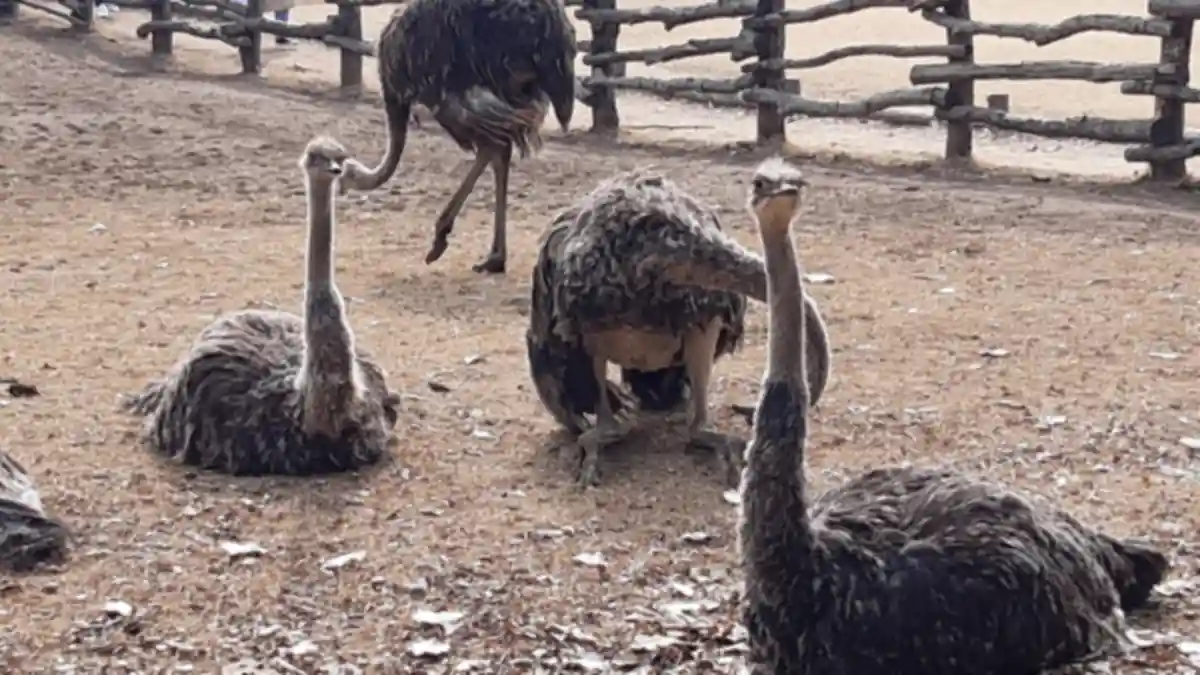
Months after the Canadian Food Inspection Agency culled 314 ostriches at Universal Ostrich Farms in Edgewood, B.C., after an avian influenza outbreak, supporters continue to gather online and at the farm, mixing genuine concern for farmers with misinformation about vaccines and the outbreak itself.
A flock that became a symbol
Melody Leinweber, a mother of four from West Kelowna, has a new tattoo: a stylized ostrich with a colourful beak and pink and turquoise stars. Her daughter had wanted an ostrich for Christmas, and she wanted a permanent reminder of the flock. She had still not told her children the birds were gone.
Leinweber drove 185 kilometres to the farm on the day of the cull, Nov. 6, but left before it began, saying she did not want to be present when the birds were killed. She resisted political labels for her support, describing the issue as a simple question of right and wrong.
Stories like hers help explain why the movement did not end when the birds died. The flock in a quiet valley in southeastern British Columbia became a visual symbol far beyond Edgewood. Support drew in local residents, figures from the pandemic-era Freedom Convoy movement and members of United States President Donald Trump’s administration. United States health secretary Robert F. Kennedy Jr. was among those who backed the farm’s fight, Reuters reported.
How the case reached the cull
Birds began falling ill at the farm in early December 2024. After an anonymous tip on Dec. 28, tests on two dead birds came back positive for highly pathogenic avian influenza, and the agency ordered a cull on Dec. 31, 2024. The outbreak went on to kill 69 ostriches.
The farm fought the order for nearly 11 months, arguing the survivors had claimed rare and valuable genetics. The Federal Court sided with the agency in May 2025, ruling the farm had not established that premise. A Supreme Court stay in September 2025 kept the flock alive, but in November the top court declined to hear the case. The agency, which had held the birds since September, then culled 314 ostriches by marksmen on a cold, rainy night.
The agency defended the decision under its stamping-out policy, which Canada recognizes as the international standard. It says the policy protects human and animal health and the poultry industry, is embedded in trade agreements, and that even healthy-looking birds can spread disease.
What persists online, and what the farm says about it
Rather than disbanding, the movement remains active, including a Facebook group of more than 80,000 members. Supporters post ostrich artwork, clothing, stuffed animals and generated images of ostriches in Santa hats or waving Canadian flags. Some share tattoos. The farm, supporters say, has become a place of remembrance.
The same spaces carry material the farm does not control. Posts have described globalist elites, called flu shots poisonous and treated the COVID-19 pandemic as planned. Some members claim the ostriches held antibodies that could cure diseases, or that the agency secretly removed birds for its own purposes. The agency denies that, saying it disposed of all material it seized.
Katie Pasitney, daughter of co-owner Karen Espersen, described the support as surprising and overwhelming, with letters, prayers and donations from strangers. Supporters held different views, she said, but chose compassion over division. She acknowledged misinformation can create fear and hurt the cause itself, and said the farm tried to encourage fact-based discussion. The family is pushing for systemic reform.
Why experts say the story holds its audience
Timothy Caulfield, a University of Alberta professor who studies health misinformation, said the case illustrates a pattern that grew during the pandemic: an issue becomes more about ideological identity and community than about evidence. Online systems feed people material that increases anger and fear, he said, and a powerful, emotional story can overwhelm scientific reasoning.
He argued that agencies such as the CFIA need clear, engaging, science-based communication, or misinformation will fill the gap. Infectious disease veterinarian Scott Weese of the Ontario Veterinary College made a related point: there were valid questions for the agency, but H5N1 cannot be controlled by hoping for the best, and delay creates transmission risk each day.
On the other side, Independent B.C. legislator Jordan Kealy continues to argue the agency’s powers are unchecked and could discourage farmers from reporting illness. The Edgewood birds were not being raised for human consumption and did not leave the property, he said, and he wants alternatives that let farmers survive an outbreak response.
Those positions have not been reconciled. What has endured is a community formed around the birds — part farm advocacy, part memorial, and part online movement its own central figures say they cannot fully steer.

