

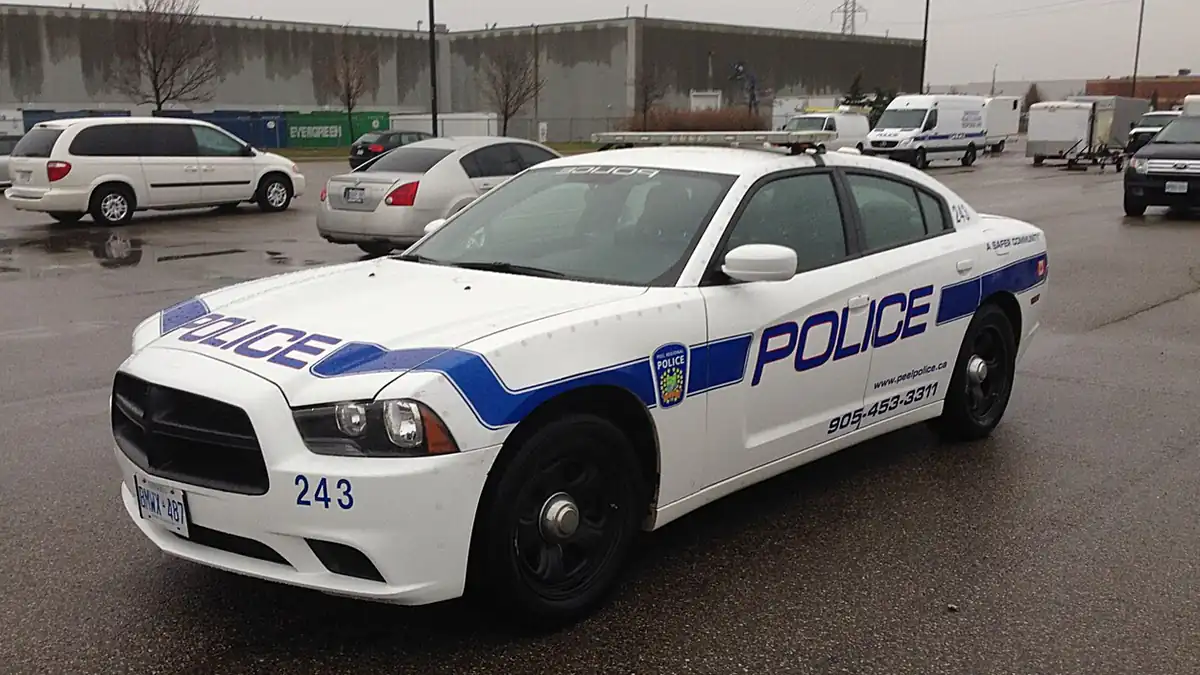
The federal government will give Peel Regional Police up to $1 million to fight extortion, support victims and build on work already under way in Peel Region. Ottawa also announced a Regional Integrated Drug Enforcement Team for the area, backed by $4 million in federal funding over four years, after a summit in Brampton on January 13, 2026.
The announcement in Brampton
Federal ministers came to Brampton on Tuesday to put federal money behind the response to extortion in Peel Region, where businesses and homes in southern Ontario have been targeted by threats, arson and shootings.
Public Safety Minister Gary Anandasangaree made the announcement following a summit on combatting extortion in the city. He was joined by Ruby Sahota, Secretary of State for Combatting Crime, Ontario Solicitor General Michael Kerzner, municipal leaders and police officials.
Anandasangaree said he had been deeply moved by the emotional stories he heard from people who had received extortion threats. He called extortion a “cowardly act” meant to create fear in individuals.
“All of us here today agree that we have to stop extortion and deal with the bad actors who are doing it,” he said.
What the federal money pays for
The first commitment is direct funding for the municipal force. The Government of Canada is providing Peel Regional Police with up to $1 million to bolster its work against extortion, to support and provide services to victims, and to build on efforts already under way.
That victim-support element matters, because extortion cases depend on people being willing to report threats and stay engaged while an investigation proceeds. Funding directed at services for victims is intended to support that, alongside enforcement.
The second commitment is longer-term and regional. Ottawa is setting up a Regional Integrated Drug Enforcement Team in partnership with Ontario and local authorities, backed by $4 million in federal money over four years. The team is to bring together law enforcement resources from different agencies and jurisdictions to disrupt the organized crime groups that control illegal drug markets and help fuel extortion.
Why Ottawa linked drugs and extortion
The federal explanation for pairing the two announcements was explicit. In its statement, Public Safety Canada said criminal networks use extortion to fund and exert control over illegal markets such as drug trafficking, auto theft and firearms smuggling.
Those groups often use intimidation through social media, the department said, and threats can turn violent, fuelling gang activity and undermining public safety. On that account, extortion in Peel is not treated as a series of isolated demands for cash. It is presented as one revenue and control tool inside a wider organized-crime economy, which is why a drug enforcement team was announced at an extortion summit.
Peel Regional Police Chief Nishan Duraiappah described how the threats typically arrive. An attempt often begins with a message asking for money, paired with a threat of violence against the individual, their business or their family if the cash is not handed over, he said.
Acts of violence connected to the threats have included arson and shots fired into businesses, homes and vehicles, the chief said. He added that one pattern seen in Peel is an increase in targeting aimed specifically at businesses and business owners themselves.
A Brampton request that reached Ottawa
The summit did not come out of nowhere. In December, Brampton Mayor Patrick Brown had written to the federal government warning that the scale, sophistication and cross-border nature of extortion targeting local businesses and families had moved beyond what municipal resources could manage alone.
Brampton council had passed a unanimous motion asking Ottawa to extend dedicated federal funding for extortion and organized crime work to Peel, and to fund victim support and community outreach. Tuesday’s announcement answered the core of that request with named amounts and named programs, rather than a general promise to consider it.
What happens next
The money announced Tuesday is a contribution, not a claim that the problem is solved. The $1 million for Peel police is described as “up to” that amount, and the drug enforcement team’s $4 million is spread over four years and depends on federal, provincial and local agencies working together.
For business owners in Brampton and Mississauga, the test will be practical: whether threats are reported more readily, whether victims receive support quickly, and whether the shootings and arson attacks that gave this announcement its urgency become less frequent. Those outcomes, not the summit itself, will decide whether Ottawa’s contribution made a difference in Peel.

