

Alberta emergency doctors compiled a document listing six deaths they consider potentially preventable and more than 30 near misses in overcrowded emergency departments over roughly two weeks, and sent it to the province on Jan. 11. On Jan. 15, Alberta’s hospitals minister delivered a capacity update and promised concrete steps in response.
A list of cases the province could not ignore
The document was assembled by Dr. Paul Parks, a Medicine Hat emergency physician and past president of the Alberta Medical Association, from anonymized cases submitted by emergency doctors across the province. Parks has confirmed he sent it to provincial government and health officials on Jan. 11, asking for more help for a system he and his colleagues describe as in crisis.
The cases it lists occurred over about two weeks in late December and early January. Among them, as later reported by CBC News, which obtained the document: a woman with a bowel obstruction who waited eight hours overnight to be seen, was found to be septic by the time she reached care, and died about 24 hours after emergency surgery; and a middle-aged man with chest pain whose family repeatedly approached the desk during a wait of roughly eight hours, and who suffered a likely fatal cardiac event shortly after finally getting a bed.
Parks did not leak the document himself, but has said he agrees with the reasons for its release. Emergency physicians have used the phrase “death zones” for waiting rooms and hallways, and some have called on the province to declare a state of emergency so resources can be marshalled faster.
The death that frames the debate
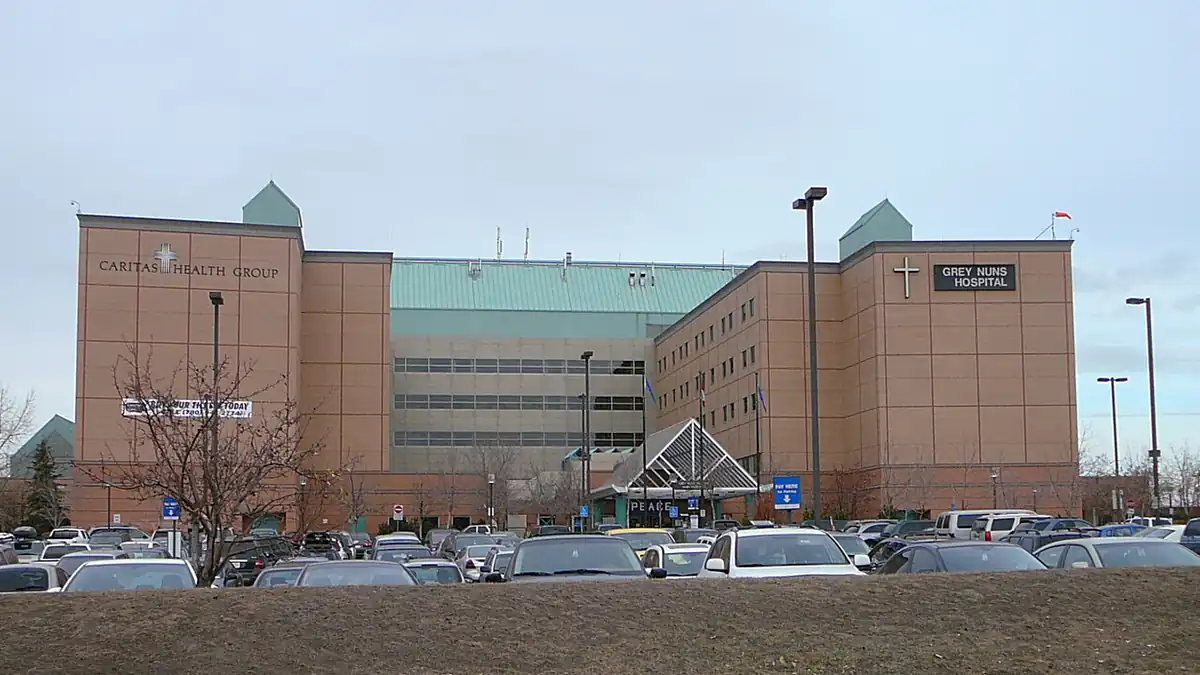
Behind the document is a case Albertans already know. Prashant Sreekumar, 44, a father of three, died on Dec. 22 at Edmonton’s Grey Nuns Community Hospital after, according to his family, waiting nearly eight hours to see a doctor about chest pain. Acute Care Alberta and Covenant Health, which operates the Grey Nuns, launched a joint review into the circumstances of his death.
Front-line doctors say his case was not an outlier but an example of what happens when emergency departments are full of admitted patients waiting for ward beds, leaving no space to bring in the next person whose condition is quietly getting worse in the waiting room.
How the province responded on Jan. 15
On Thursday, Hospitals Minister Matt Jones and senior health leaders — including David Diamond, interim CEO of Acute Care Alberta, and Erin O’Neill, interim chair and CEO of Alberta Health Services — gave a public update on acute care capacity. The province said seasonal influenza A had peaked and hospital admissions were declining after a brutal December, and pointed to surge planning, temporary beds, faster discharges and patient transfers as measures easing congestion.
Jones also announced specific steps tied directly to the doctors’ complaints: triage liaison physicians — an extra doctor assigned to watch over patients waiting in crowded emergency departments — would return at six urban hospitals starting Feb. 1, and the province committed to a fatality inquiry into Sreekumar’s death.
“We thank health care staff for ensuring timely care for Albertans,” Jones said. “Encouraging signs show influenza has peaked and hospitalizations are declining, while we continue expanding capacity so Albertans receive care when and where they need it.”
The province’s longer-term plan includes 1,000 new acute care beds in Edmonton and Calgary, more continuing care spaces and funding for urgent care centres. Responding to the doctors’ document in the days after the update, Jones called the cases concerning, said long waits do affect outcomes, and said serious incidents are investigated through established processes — while not commenting on unverified case details.
A system still under strain
None of that has quieted the underlying argument. Doctors say the core problem is structural: a growing and aging population, too few hospital beds, too few nurses and physicians, and emergency departments that cannot move admitted patients upstairs. A state of emergency, they argue, would at least centralize authority to act quickly.
The province’s answer, so far, is capacity and process rather than emergency powers. Whether the triage doctors are actually in place on Feb. 1, and what the Grey Nuns review and fatality inquiry find, will be the next tests of that approach.

