

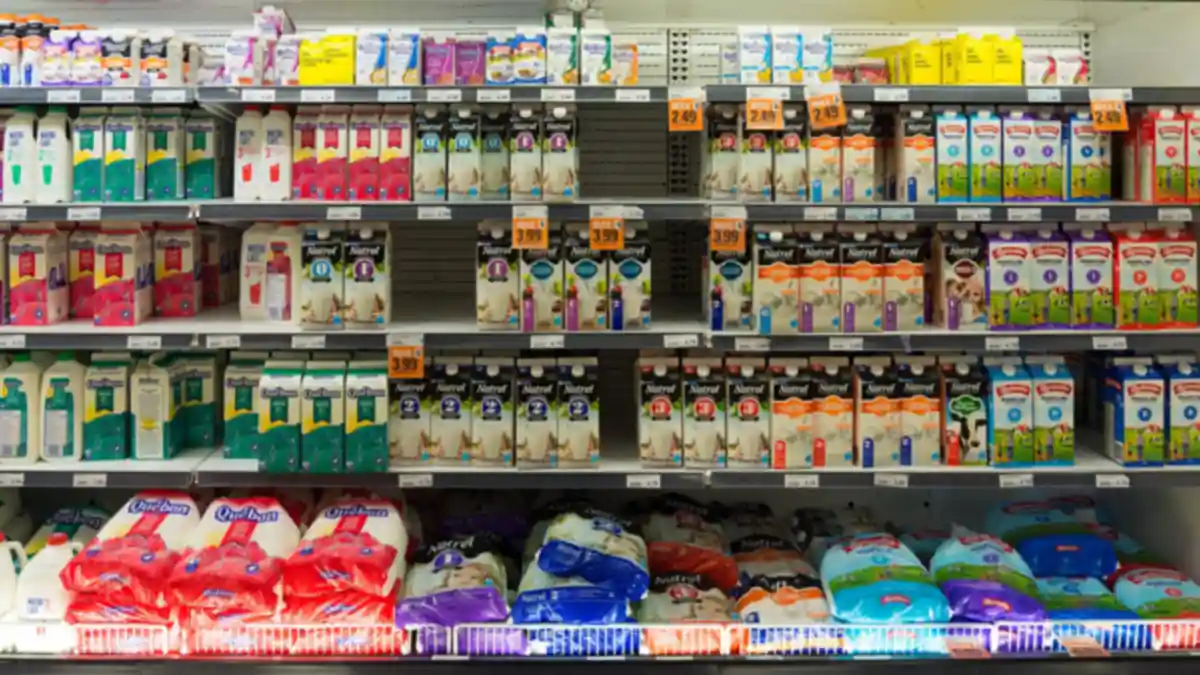
Prime Minister Mark Carney unveiled the Canada Groceries and Essentials Benefit on January 26, 2026, renaming and boosting the GST credit by 25 per cent for five years, plus a one-time top-up this year. Ottawa says the enhanced payments will reach more than 12 million low- and modest-income Canadians starting in July.
An affordability package for Parliament’s return
Prime Minister Mark Carney chose the day MPs returned to the House of Commons from the winter break to unveil a package aimed squarely at the cost of groceries and other daily essentials. The centrepiece is the Canada Groceries and Essentials Benefit, the new name for the Goods and Services Tax (GST) Credit, which the government says will deliver bigger quarterly, tax-free payments to more than 12 million low- and modest-income Canadians.
“One of the best things about Canada is that you don’t have to be born rich to succeed,” Carney said in announcing the measures. “We’re also bringing in new measures to lower costs and make sure Canadians have the support they need now.”
The announcement framed the benefit as immediate relief while the government’s longer-term economic plans take hold. Ottawa pointed to measures already in place, including an income tax cut it says reached 22 million Canadians, the elimination of the GST for first-time homebuyers on new homes up to $1 million, and the cancellation of the consumer carbon tax in April 2025.
How the benefit works
The existing GST credit is being increased by 25 per cent for five years beginning in July 2026. On top of that, the government is providing a one-time payment this year equivalent to a further 50 per cent increase.
Combined, Ottawa says a family of four will receive up to $1,890 this year, and about $1,400 a year for the following four years. A single person will receive up to $950 this year, and about $700 a year over the same period.
The government has put the total added support at $11.7 billion over six years. Eligibility follows the existing GST credit rules — recipients must be 19 or older, live in Canada and file a tax return — and no separate application is required. The benefit remains unrestricted cash support: despite the grocery label, recipients can spend it on any household expense.
Beyond the benefit: food security measures
The January 26 package went beyond the payment itself. The government set aside $500 million from the Strategic Response Fund to help businesses absorb supply chain disruption costs rather than passing them to shoppers, and created a $150 million Food Security Fund for small and medium-sized businesses and the organizations that support them.
Ottawa also added $20 million to the Local Food Infrastructure Fund for food banks and community organizations, introduced immediate expensing for greenhouse buildings acquired on or after November 4, 2025, and promised a National Food Security Strategy addressing domestic production and access to affordable, nutritious food. The strategy is to include unit price labelling and support for the Competition Bureau’s monitoring of competition in food supply chains.
From announcement to law
Because the benefit is delivered through the tax system, it required legislation. Finance Minister François-Philippe Champagne introduced Bill C-19, the Canada Groceries and Essentials Benefit Act, in the House of Commons on January 28. The bill moved quickly: it passed the Commons on February 4, cleared the Senate on February 12 and received royal assent the same day.
With the law in place, the renamed benefit and its 25 per cent increase are set to begin with payments in July 2026, on the same quarterly schedule Canadians already know from the GST credit — converting a January announcement, made on Parliament’s first day back, into money in household budgets by the summer.

