

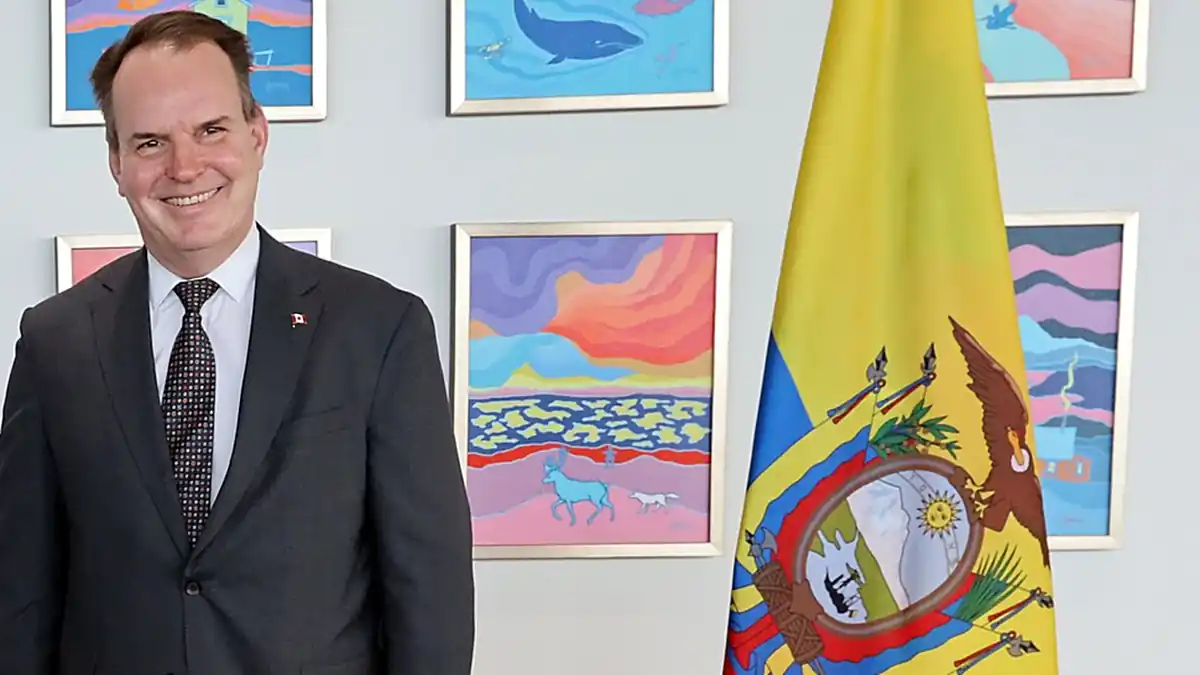
Government House leader Steven MacKinnon welcomed the Conservatives’ “spirit of co-operation” on Sunday, Jan. 25, 2026, as Parliament prepared to resume, saying he would discuss the details of the Opposition’s offer to fast-track crime, trade and cost-of-living bills with Conservative House leader Andrew Scheer.
A welcome, with details to follow
Speaking on CBC’s Rosemary Barton Live on the eve of the Commons’ return from its six-week winter break, MacKinnon acknowledged the co-operative approach from the Conservatives and expressed interest in discussing the specifics with Scheer, his opposite number.
The comments responded to an open letter Conservative Leader Pierre Poilievre sent Prime Minister Mark Carney on Saturday, under the subject line “Time to turn rhetoric into reality.” In it, Poilievre offered to help fast-track policies to enact trade deals, make groceries more affordable, fix the bail system and approve major projects — while also attacking the Liberal record on food prices, energy policy and military readiness.
MacKinnon had already struck a receptive tone when the letter landed. “We’re taking a good look at that and we’ll be interested to follow up,” he told reporters, adding: “Let’s hope that we’re at the dawn of a new day of co-operation.” Asked which government bills would take priority in the spring sitting, he would not rank them: “They’re all priorities. Bills are like my children, it’s very hard to pick between them.”
What is on the table
The Conservative offer, as summarized in wire reports of MacKinnon’s remarks, centres on expediting bills related to crime and trade, along with faster approval of major projects. The Conservatives say they are offering to support the Liberals on legislation that will improve the economy or reduce the cost of living.
CBC’s reporting on the letter adds the fine print. Poilievre said the Conservatives would fast-track the government’s bail-reform bill, C-14, if the justice committee agreed to pause debate on C-9, the anti-hate bill some religious leaders fear could criminalize religious practices — a condition Liberals on the committee had so far refused. The trade offers included bills to invite the United Kingdom to join the Trans-Pacific Partnership and to approve the Canada-Indonesia trade deal.
Scheer, for his part, used his own Sunday interviews to argue that minority Parliaments oblige the government to work with other parties, while continuing to criticize Carney over the slow pace of major-project approvals.
Why the tone matters
The exchange matters because the Liberals govern in a minority and, by the Conservatives’ count, passed only two bills in their first stretch in office while convening Parliament for the fewest sitting days since 1937. MacKinnon himself had said he hopes “a lot” of legislation gets passed this session.
Both sides returned to the theme Monday. MacKinnon held a foyer news conference to argue the government would prioritize affordability and crime legislation, including the budget implementation bill, C-15, while Scheer responded on the political talk shows — an early test of whether the “spirit of co-operation” survives contact with the Commons calendar.

