

Ontario marked one year of its $2.1-billion Primary Care Action Plan on January 12, 2026, saying more than 275,000 people have been attached to a primary care clinician and the province is on track to reach 300,000 in the plan’s first year. About 1.98 million Ontarians remain unattached.
On track for the first-year target, minister says
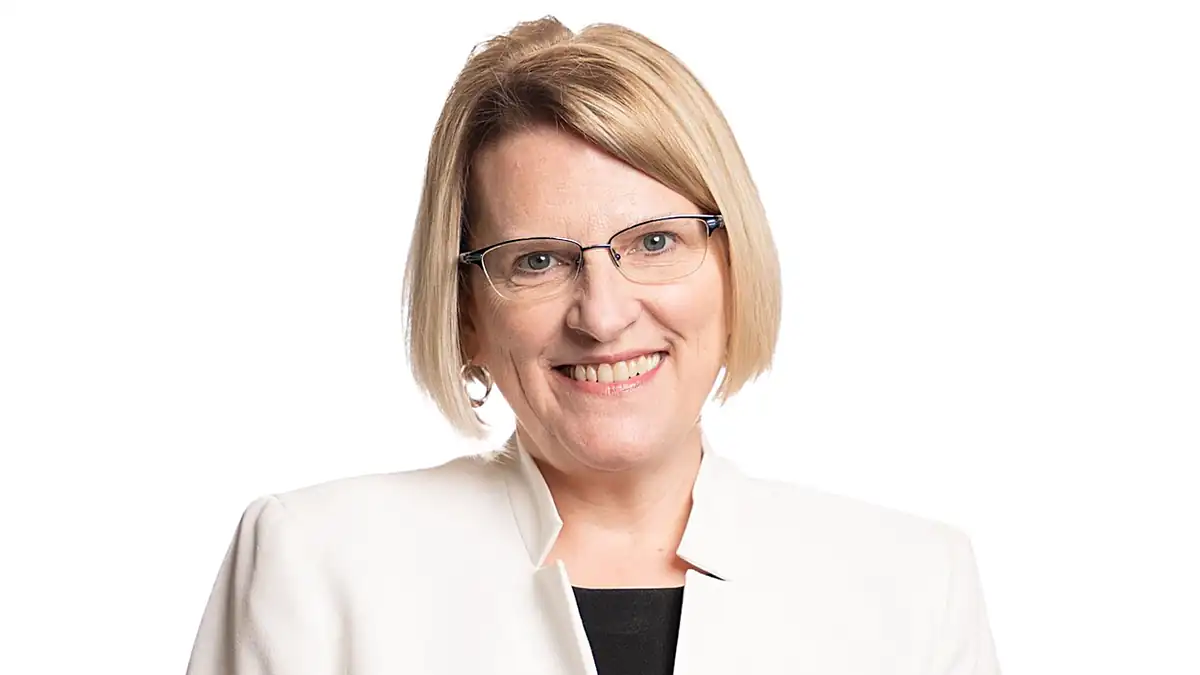
Health Minister Sylvia Jones delivered the first annual update on the plan on Monday, flanked by Dr. Jane Philpott, the former federal Liberal health minister who leads the province’s Primary Care Action Team. “Since this initiative began, Ontario has already attached over 275,000 new patients to a primary care clinician, putting the province on track to meet or exceed our target of connecting 300,000 new people to care in 2025,” Jones said.
The province’s own figures put net new attachments at 275,552 between January and September 2025, lifting the total number of attached Ontarians to roughly 14 million. Jones also said the Health Care Connect waitlist as it stood on January 1, 2025, has been reduced by more than 75 per cent — provincial data show 177,108 people cleared from that list as of January 4, 2026.
Nearly two million still without
The other side of the ledger remains large. Using an updated counting method developed with the INSPIRE-PHC research network, the province estimates about 1.98 million people in Ontario were not attached to primary care as of June 2025 — the “nearly two million” the plan promises to eliminate entirely by 2029.
The scale of the gap is why the government’s pledge is so specific. The $2.1-billion Primary Care Action Plan, launched on January 27, 2025, aims to attach every Ontarian to a publicly funded family doctor, nurse practitioner or primary care team by 2029. The original $1.8 billion was topped up by $300 million in the 2025 budget for teaching clinics. Ontario notes it still leads the country in the share of residents with a regular health-care provider, according to the Canadian Institute for Health Information — but leadership has not closed the gap.
The road to 2029
The plan’s targets rise steeply from here: after 300,000 attachments in 2025-26, the province aims for 500,000 more in 2026-27 and 600,000 in each of the following two years, reaching two million in total. The main tools are interprofessional primary care teams — up to 300 new or expanded teams overall, with more than $235 million committed in 2025-26 to about 130 of them — alongside clearing the Health Care Connect waitlist by spring 2026.
Supply is the harder problem. Ontario is adding 340 undergraduate medical school seats and more than 550 postgraduate positions over five years, expanding the Ontario Learn and Stay Grant for family medicine trainees, and speeding up licensing for internationally trained physicians — though Jones acknowledged “just under 100” of the latter were placed last year. Philpott’s team assigns patients by postal code, in a system she compares to the way children are directed to schools, so that teams take on the unattached people closest to them.
Credit claimed, doubts raised
Opposition parties at Queen’s Park say Ontarians are not yet feeling the benefit of the changes, arguing that emergency department closures and waits for a family doctor remain the lived reality for many. The government counters that attachment is a multi-year build and that the first year’s numbers show the model working.
Two days after the update, on January 14, the province added a further piece: up to $8 million in planning money for 16 new and expanded primary care teaching clinics, run with Ontario’s medical schools, which are expected to provide care for another 300,000 people while training family medicine residents in team-based settings. The first clinics are targeted to open in 2027-28 — a timeline that underlines both the ambition of the 2029 pledge and how much of it still depends on clinicians who have not yet been trained.

